


The Space Between Fear and Peace: Meet Brittany, Our End-of-Life Doula

I've been building this "Friends of Leo's Friends" series around one simple idea: I only want to introduce you to people I'd actually call myself if I needed them. No directory listings, no "here's five options, good luck." One trusted person or business per need, chosen because I believe in what they do.
This one was harder to write than the others. Downsizing, housekeeping, meal prep, financial planning — those are easy conversations to have over coffee. Death isn't. Most of us would rather reorganize our entire garage than talk about how we want our last days to go, or how we'll cope when someone we love is having theirs.
But here's the thing: not talking about it doesn't make it not happen. It just means when it does happen, everyone's scrambling, exhausted, and unsure, instead of supported.
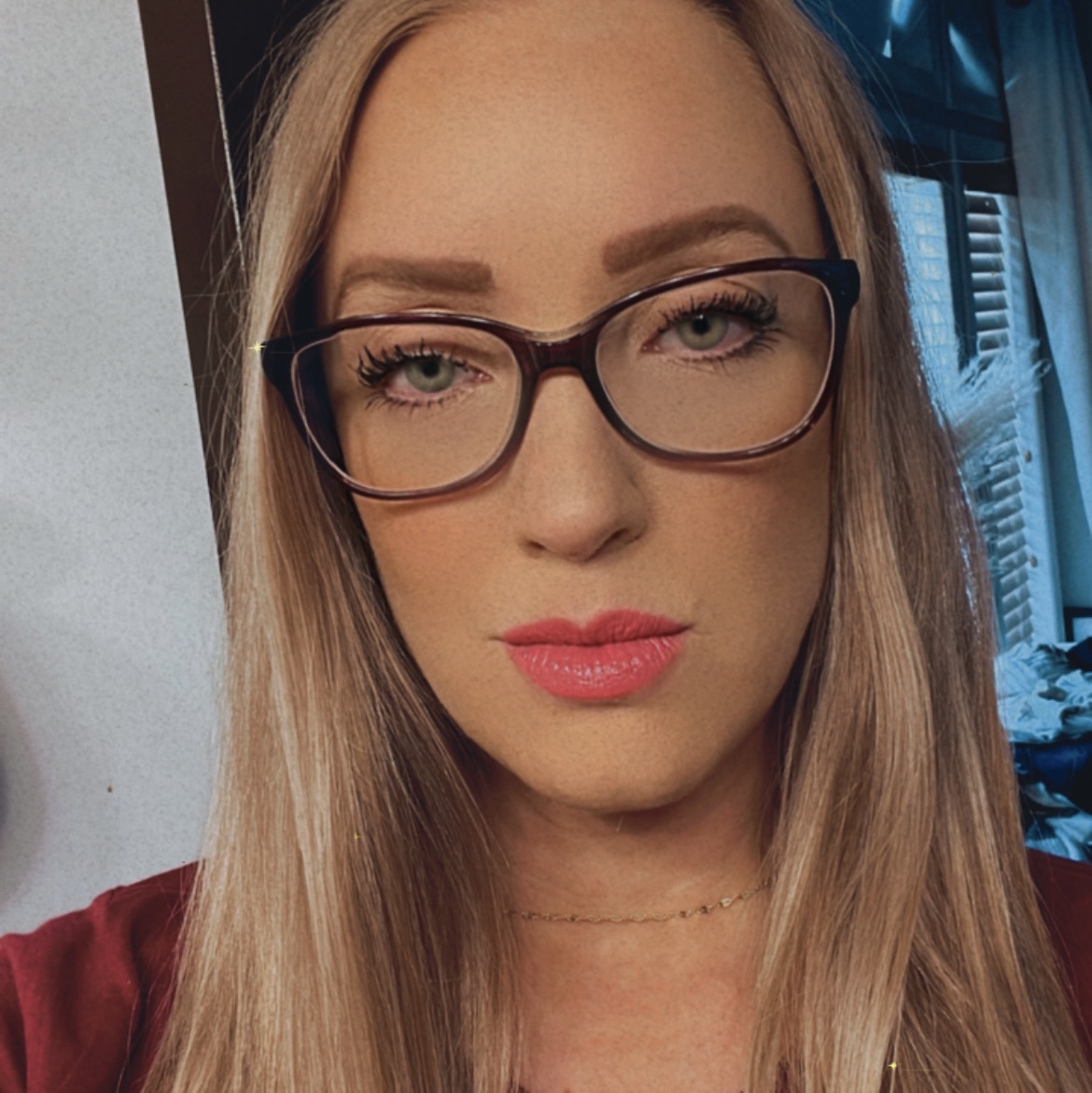
That's where Brittany Bidochka comes in. Brittany runs Peaceful Presence, an end-of-life doula service here in Nanaimo, and after talking with her, I can tell you this isn't a checklist-and-clipboard kind of service. It's someone who sits with you — literally and figuratively — through one of the hardest chapters a family will ever go through, so nobody has to do it alone.
I asked Brittany to tell you her story and what her work actually looks like, in her own words. I'm sorry in advance, you may want to have your tissues handy. Here it is.
Who she is, and how this started?
I'm Brittany Bidochka, the heart behind Peaceful Presence, an end-of-life doula service serving Nanaimo and surrounding areas. My journey into this work began when I walked alongside my own mom through the end of her life. That experience changed me deeply and showed me just how important compassion, presence, and support can be during one of life's most difficult transitions.
Today, I walk alongside individuals and families as they navigate their personal end-of-life journey. I provide emotional, practical, spiritual, and hands-on support, whether that means helping families prepare for what's ahead, offering respite to an exhausted caregiver, creating meaningful memories, supporting difficult conversations, or simply being there at the bedside during the final days and hours.
I do this work because I believe no one should have to face death and dying feeling scared, overwhelmed, or alone. I want families to have the space to focus on what matters most. Love, connection, and being together, while knowing they have a compassionate and peaceful presence beside them.
I've been developing Peaceful Presence over the past year and a half, dedicating that time to growing my practice, deepening my knowledge, and preparing to support individuals and families through the end-of-life journey. My connection to this work began much earlier through my own personal experiences which ultimately inspired me to become a death doula and create peaceful presence. I have been serving seniors in this town for many years through many different areas.
The decision to start Peaceful Presence came from one of the most personal and meaningful experiences of my life, walking alongside my mom at the end of hers. Being there through her end-of-life journey and ultimately her beautiful peaceful death, opened my eyes to how much families need support during this time. There can be so much uncertainty, fear, emotion, and overwhelm, and yet there can also be incredible moments of love, connection, peace, and meaning. I experienced firsthand how valuable it is to simply have someone present who can offer calm, compassionate support and help you navigate the unknown. That experience stayed with me, and forever changed me. It made me realize that supporting people and families through the end-of-life journey is something I feel deeply called to do. I created Peaceful Presence because I want to offer others the kind of compassionate presence and support that I believe every person and family deserves during one of life's most significant transitions.
I'm based in Nanaimo, BC, and serve individuals and families throughout Nanaimo and the surrounding communities on Vancouver Island. I offer support wherever it is needed, including in the home, hospital, hospice, or other care settings, depending on each family's circumstances and needs.
The work she does with seniors and their families?
Supporting older adults is an important part of the work I'm building through Peaceful Presence. My focus is on supporting seniors and their families through the many stages of planning and navigating end of life. This can look different for every person. Sometimes it means simply being present and providing companionship and emotional support. Other times, it may involve helping someone think through their wishes, having meaningful conversations with loved ones, creating legacy projects and memories, or providing support and respite to family caregivers. As end of life approaches, I can also offer a calm, compassionate presence to both the individual and their family during the final days and hours. My goal is always to honour the person, their wishes, their dignity, and what matters most to them.
What families often miss?
One of the biggest things I realized while supporting my own mom was that end-of-life care is about so much more than the medical side of dying. There can be a lot of attention placed on appointments, medications, treatments, and physical care, but there is another layer that can easily be overlooked, which is the emotional and human side of the experience. Seniors and their families may be dealing with fear, uncertainty, difficult conversations, changing relationships, loneliness, and decisions about what they want their final chapter to look like. Family members can also become overwhelmed trying to balance caregiving with everything else in their lives.
There were some people in my moms hospice house facing end-of-life alone, and it hurt my heart more than anything. In that moment I knew I wanted to be there for those people.
I think one of the biggest things families can underestimate is how much their loved one still wants to be heard, involved, and in control of their own end-of-life journey. Families often come from a place of love and want to protect their parent or loved one from fear, difficult conversations, or uncomfortable decisions. Sometimes that can mean making assumptions about what they want or avoiding conversations about death altogether. But giving someone the opportunity to talk openly about their wishes, fears, hopes, and what matters most to them can be incredibly meaningful.
I also think families sometimes underestimate how much support they themselves need. Caring for someone at the end of life can be emotionally and physically exhausting. Having support, guidance, and someone to talk things through with can make a significant difference, not only for the family, but for the person they are caring for. I want families to know that they don't have to do it all. One of my most favourite things to help with is respite care, as I know giving the caregiver a break is monumental to everyones success. Ultimately, I believe the most important thing is to slow down, listen, and let the person at the centre of the experience have a voice.
So, what exactly does a death doula do?
One of the questions I'm often asked is, "What exactly does a death doula do?"
My answer is that a death doula provides compassionate, non-medical support to individuals and families before, during, and after the end-of-life journey. I'm there to listen, offer guidance and emotional support, help families navigate difficult conversations and decisions, and provide a calm, reassuring presence when things feel overwhelming. Every person and family is different, so my role is to meet them where they are and support what matters most to them. Sometimes that means helping with planning and preparation, sometimes it means giving a caregiver a much-needed break, and sometimes it simply means sitting quietly at the bedside and being present.
My most favourite work is helping humans cross the bridge in a calm beautiful setting. At its heart, my work is about helping people feel less alone and creating a sense of peace, dignity, and connection during an incredibly important time in life.
When is the right time to reach out?
There really isn't a "too early" time to reach out. In fact, I often encourage families to connect before they feel they are in a crisis. Having support early can give everyone more time to talk, plan, ask questions, and make decisions without feeling rushed or overwhelmed. Some signs that it may be time to reach out include a loved one receiving a life-limiting or terminal diagnosis, a noticeable decline in their health or independence, increasing caregiving demands, or when the family simply feels unsure about what comes next. Sometimes there may not be one specific sign at all. You may just have a feeling that you're not sure how to navigate what is happening or that you could use some support. That alone is a good reason to reach out.
My approach is to meet families where they are, without judgment or pressure. You don't have to have everything figured out before you contact me. Sometimes the first step is simply having a conversation and knowing that you don't have to navigate this journey alone.
What makes her approach different?
I can't speak about others in my field as I have never worked with anyone else in the field and have only ever heard positive amazing things.
I think what makes my approach different is the importance I place on genuine presence and connection. I'm not there simply to provide a service or follow a checklist. I take the time to get to know the person behind the diagnosis, to understand what matters to them, what they're afraid of, what brings them comfort, and how they want to experience this part of their life. My approach is very personal, compassionate, and non-judgmental. I believe there is no single "right" way to approach death and dying, so I meet each person and family where they are and tailor my support to their individual needs, values, and wishes. My own experience of walking alongside my mom at the end of her life also shaped the way I approach this work. I understand how overwhelming and emotional this journey can be for families, and I know how meaningful it can be to have someone who can simply be there to listen, to help, and to bring a sense of calm when things feel uncertain. I can honestly say, I've been there, and I know how you feel.
For me, Peaceful Presence is about exactly that: offering a steady, compassionate presence so people can feel supported, heard, and less alone.
What happens when you reach out?
The first step is simply a conversation. When someone reaches out to me, I want them to feel comfortable sharing what is happening and asking questions without feeling pressured to make any decisions right away.
During an initial consultation, I take the time to listen and learn about the individual and their family, where they are in their end-of-life journey, and what kind of support they may be looking for. We can talk about their wishes, concerns, family dynamics, caregiving needs, and any questions they may have about what comes next. I also explain how I can support them and what my services look like, so we can determine together whether Peaceful Presence is the right fit for their needs.
There is no expectation that they need to have everything figured out before reaching out. Sometimes people simply need someone to listen and help them understand their options. My goal with that first conversation is for them to leave feeling heard, supported, and a little less overwhelmed.
There isn't a set length of time for working together because every person and family's needs are different. Some families may reach out for support around a specific need, such as advance planning, having difficult conversations, or creating meaningful legacy projects. Others may want ongoing support throughout the end-of-life journey, including the final days and hours.
I'm flexible and work with each family to determine what feels right for them. My goal is not to have a family fit into a particular timeframe, but to provide the right level of support for where they are in their journey.
Her mom's story
At this time, as I am quite new to the business I do not have any reviews to share. The families I have helped are still deep in loss, and I never expect a review for my services.
My mom is the most influential story I have, as I walked the whole journey with her learning many things along the way. I learned what I didn't think was necessary, and the things I would do again over and over.
Why she keeps doing this work?
I do this work because I believe that everyone deserves to feel seen, heard, respected, and supported at the end of their life. My own experience with my mom showed me how precious and emotional this time can be, and how much a compassionate presence can mean to both the person who is dying and the people who love them. I did not have a doula when my mom passed, and it's one of the supports I wish now that I had set up not only for my mom, but for my brother and sister and family as well.
The hard days are part of the work, but what keeps me going is knowing that even in difficult moments, I can make a difference. My soul is filled with light when I am helping others through tough times and moments in life. I don't believe I can take away the pain of losing someone, but I can help people feel less alone as they move through it. Knowing that I can bring even a little comfort, peace, and connection to someone during such an important time is what keeps me going.
What she wishes more people knew?
One thing I wish more people knew is that death doulas aren't just there for the final moments of someone's life. There is so much support that can happen before those final days, sometimes weeks, months, or even years.
I think people are sometimes surprised by how much peace can come from simply having someone there who isn't a family member or a medical provider, but whose role is to listen, support, and help everyone feel a little more prepared. For me, death doula work isn't about focusing on death. It's about helping people make the most of the life and relationships that remain, and creating space for dignity, connection, and meaningful moments right through the end.
Her message to seniors and their families?
I would want seniors and their families to know that Peaceful Presence is a safe, compassionate space where there is no judgment and no need to have everything figured out. Talking about death can feel uncomfortable or even frightening, but it can also open the door to meaningful conversations, deeper connection, and greater peace. My hope is to help make that process feel a little less overwhelming and to remind families that they don't have to navigate it alone.
Most importantly, I want people to know that I see the whole person. Not just their illness, diagnosis, or stage of life. Every person has their own story, wishes, relationships, and things that matter to them. I'm here to honour that individuality and provide a calm, caring presence along the way.
Peaceful Presence is about bringing more comfort, dignity, connection, and peace to the once frightening end-of-life journey.
A Note From Me.
I don't think I have anything clever to add after that. Brittany said everything I'd want to say, and she said it better than I would have.
What I will say is this: I started Leo's Friends because I believe getting older shouldn't mean facing everything alone — the small stuff, like a ride to an appointment, and the enormous stuff, like the end of a life. Brittany's work sits in that second category, and it's exactly the kind of "I wish I'd known this existed sooner" resource I want every family on this island to have in their back pocket, long before they ever think they'll need it. I know a few of my family members who would have found such peace having someone like Brittany by their side for their final journey.
If you're reading this because someone you love just got a hard diagnosis, or because caregiving has quietly become the second full-time job nobody hired you for, or simply because this whole topic has been sitting heavy on your chest for a while now — reach out to her. You don't need a plan first. You just need to make the call.
This is why Friend of Leo's Friends is proud to have Peaceful Presence as a resource. And quite possibly our most important one.
Please find Brittany's contact information below.
Contact Peaceful Presence
Business name: Peaceful Presence
Website: www.peacefulpresencenanaimo.com
Phone: 1-250-802-5631 (please leave a message — Brittany will get back to you from a quiet place as soon as she can)
Email: brittanybidochka@hotmail.com
Facebook: Brittany Death Doula
Instagram: brittanydeathdoula


Comments